Introduction
Yarn plays a fundamental role in the textile industry, forming the base for all types of fabrics. Choosing the right type of yarn is essential for ensuring product quality, durability, and performance. In textile manufacturing, different yarns are used depending on the fabric type and application.
🧶 What is Yarn?
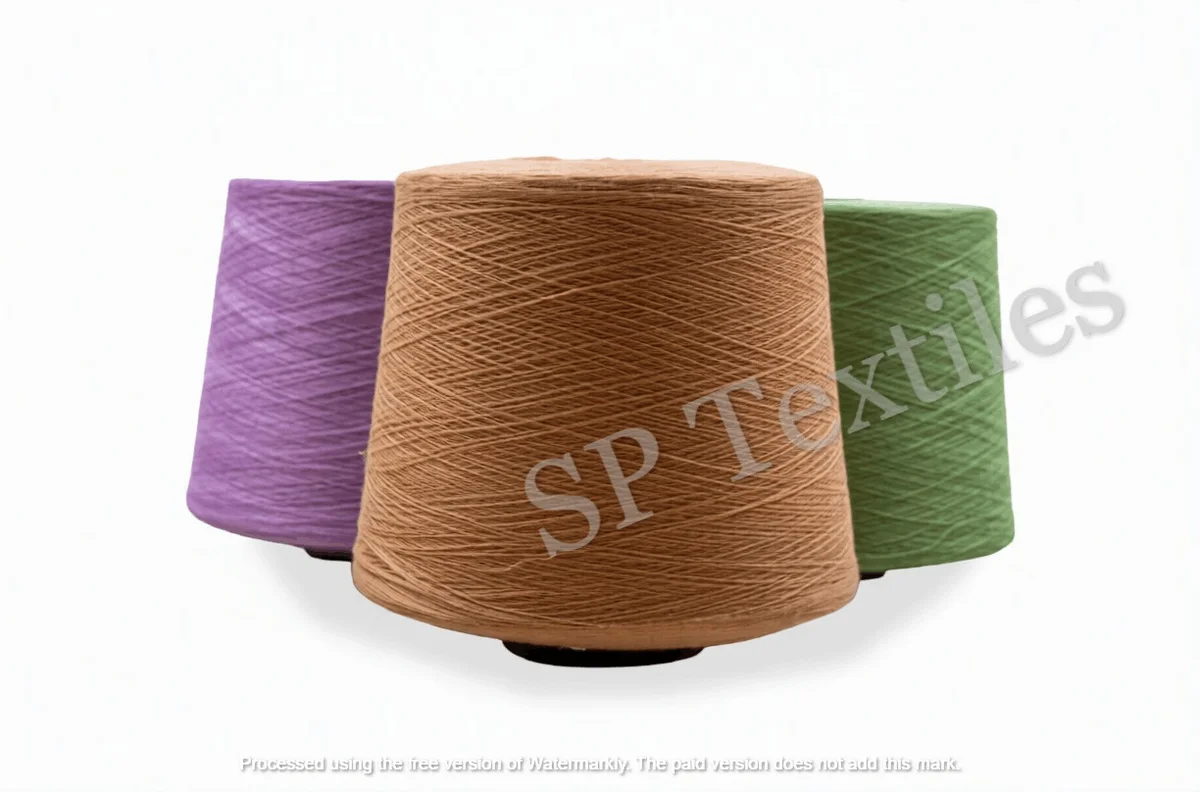
Yarn is a continuous strand of fibers spun together and used for weaving, knitting, or stitching fabrics. It can be made from natural, synthetic, or blended fibers.
🔍 Major Types of Yarn Used in Textile Manufacturing
1. Spun Yarn
Spun yarn is made by twisting staple fibers together.
Features:
Soft and breathable
Used in cotton fabrics
Ideal for garments
Common Use: T-shirts, shirts, and casual wear
2. Filament Yarn
Filament yarn consists of long continuous fibers.
Features:
Smooth and strong
High durability
Shiny appearance
Common Use: Sarees, industrial fabrics, synthetic textiles
3. Polyester Yarn
One of the most widely used synthetic yarns in the textile industry.
Features:
High strength
Resistant to wrinkles and moisture
Cost-effective
Common Use: Garments, sewing threads, home textiles
4. Cotton Yarn
Made from natural cotton fibers.
Features:
Soft and breathable
Comfortable for skin
Eco-friendly
Common Use: Clothing, bedsheets, towels
5. Blended Yarn
A combination of two or more fibers (e.g., cotton + polyester).
Features:
Combines strengths of different fibers
Improved durability and comfort
Common Use: Fashion garments, uniforms
6. Textured Yarn
Yarn that has been processed to add texture and elasticity.
Features:
Stretchable
Bulkier than regular yarn
Good insulation
Common Use: Sportswear, innerwear
7. Fancy Yarn
Decorative yarn used for design purposes.
Features:
Unique texture and patterns
Aesthetic appeal
Common Use: Designer fabrics, embroidery
⚙️ Factors to Consider When Choosing Yarn
End Use: Garments, industrial use, or home textiles
Strength: Required durability for the product
Cost: Budget and bulk requirements
Comfort: Especially for wearable fabrics
Appearance: Texture, shine, and finish
🏭 Applications of Different Yarn Types
Yarns are used in:
Weaving
Knitting
Sewing threads
Industrial textiles
Home furnishing products
🚀 Why Yarn Selection is Important
Choosing the right yarn ensures:
Better fabric quality
Longer product life
Cost efficiency
Customer satisfaction
Wrong yarn selection can lead to poor durability and increased production issues.
✅ Conclusion
Understanding different types of yarn used in textile manufacturing helps businesses make better decisions. By selecting the right yarn for the right application, manufacturers can improve product quality and stay competitive in the market.