
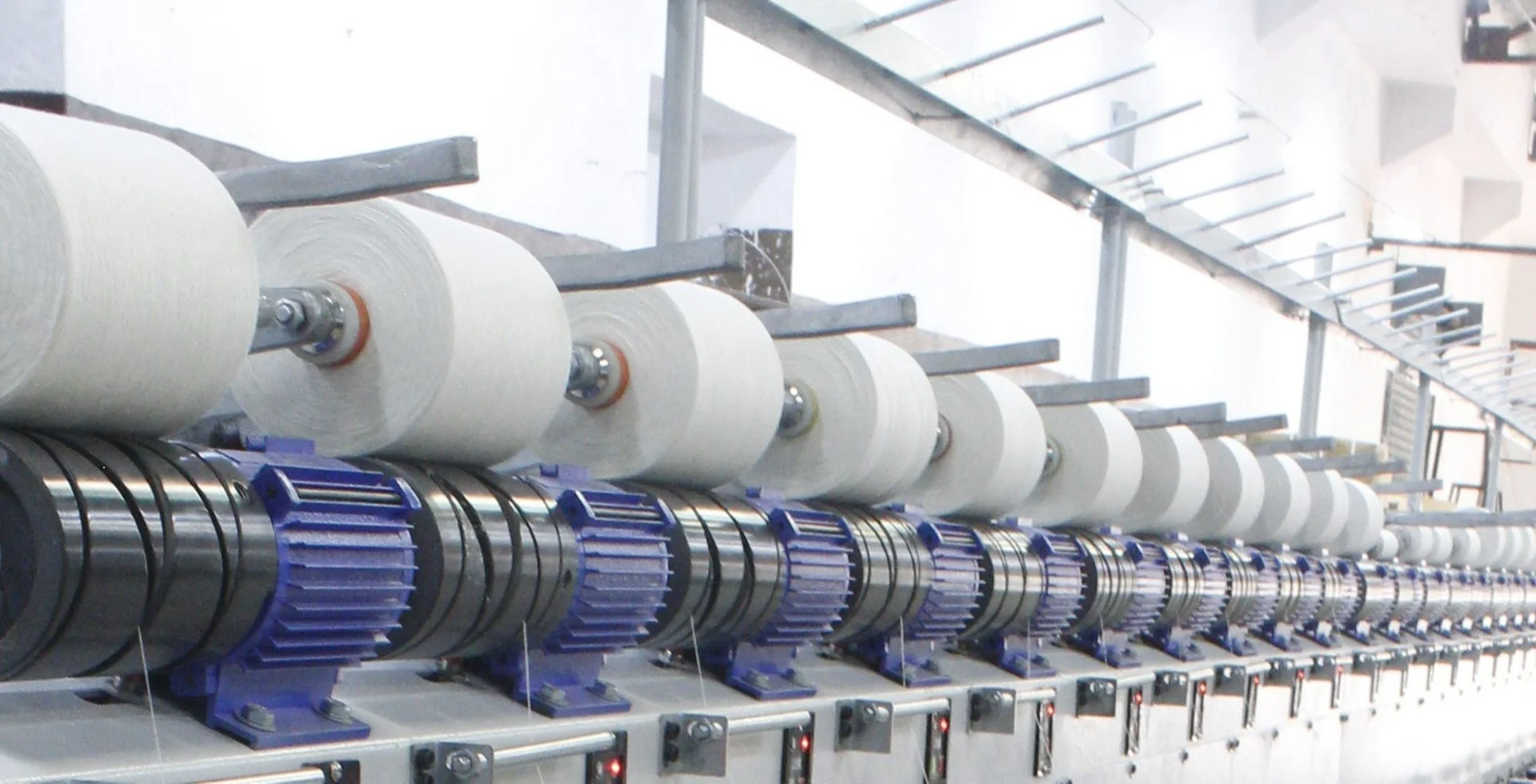
Yarn Winding
Yarn winding serves as a fundamental and indispensable intermediary stage in the global textile manufacturing pipeline, acting as a critical bridge between the initial spinning process and the subsequent stages of fabric creation, such as weaving, knitting, or dyeing. At its most basic level, yarn winding is the process of transferring yarn from one package—typically a smaller, less convenient unit like a spinning bobbin—onto a much larger, more manageable, and technically optimized package such as a cone, cheese, or spool. While this may appear to be a simple act of relocation, the winding process is actually a sophisticated operation designed to enhance yarn quality, ensure structural integrity, and maximize the efficiency of downstream machinery.
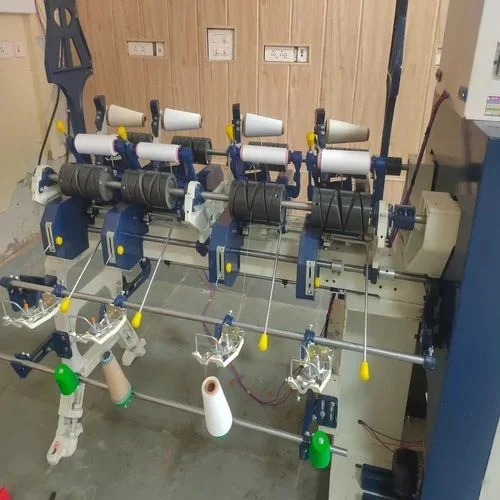
Because spinning bobbins contain a relatively limited length of yarn, they are unsuitable for high-speed industrial looms or knitting machines, which require long, continuous strands to avoid frequent and costly stoppages. Therefore, winding machines consolidate multiple smaller bobbins into a single, high-capacity package by splicing the ends together, usually through advanced pneumatic or mechanical knotters that create seamless joins.
Beyond mere consolidation, the winding stage functions as a primary quality-control checkpoint. As the yarn travels at high speeds from the supply bobbin to the take-up package, it passes through electronic yarn clearers—highly sensitive sensors that monitor the yarn’s diameter in real-time. These clearers are programmed to detect and automatically remove various imperfections, such as "slubs" (thick spots), thin areas, or "neps" (small knots of tangled fibers). When a defect is identified, the machine cuts the yarn, removes the faulty section, and resplices the ends, ensuring that only uniform, high-quality yarn reaches the final package.
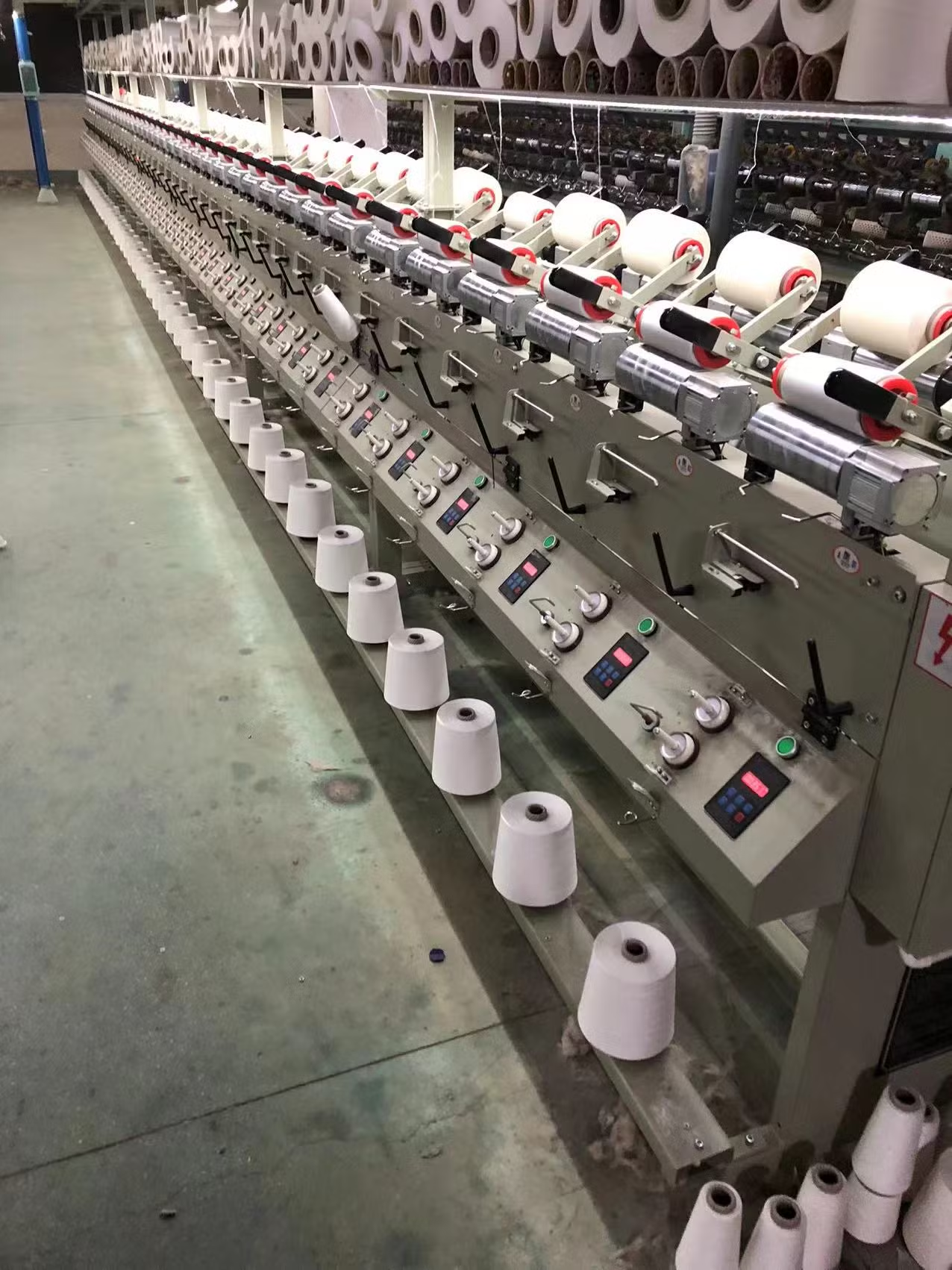
Beyond cleaning and continuity, winding also dictates the density and stability of the yarn package through controlled tension. There are two primary methods used: precision winding and non-precision (or drum) winding. Precision winding produces a dense, compact package with a constant wind ratio, whereas non-precision winding creates a softer, more porous package that is essential for yarn dyeing, as it allows dye liquor to penetrate the fibers evenly. This level of precision is vital because a single thick spot or weak point left in the yarn could cause a break during weaving or result in a visible defect in the finished garment or textile product. Consequently, the winding process significantly reduces the "defect rate" of the final fabric, making it a cornerstone of industrial quality assurance.
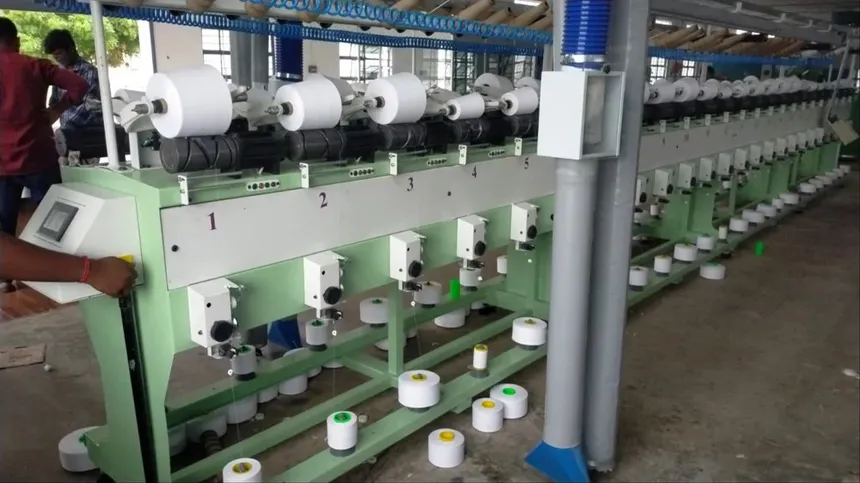
The technical architecture of the wound package itself is also meticulously controlled through two primary methods: precision winding and non-precision (or drum) winding. In precision winding, the yarn is laid in a fixed helical pattern with a constant wind ratio, resulting in a very dense, heavy, and structurally stable package that is ideal for transport and high-tension applications. In contrast, non-precision winding, often performed on a grooved drum, creates a softer, more porous package with a varying wind angle. This "soft winding" is particularly essential for the yarn dyeing process, as a less dense package allows dye liquors to circulate freely and penetrate the fibers evenly, preventing patchy or inconsistent coloring. Furthermore, the shape of the package—often conical—is specifically engineered to allow the yarn to "slough off" the top with minimal friction during high-speed unwinding. By balancing tension, density, and package geometry, yarn winding transforms raw, segmented spun fibers into a refined, high-performance industrial material that is technically prepared for the rigorous demands of modern textile fabrication.