
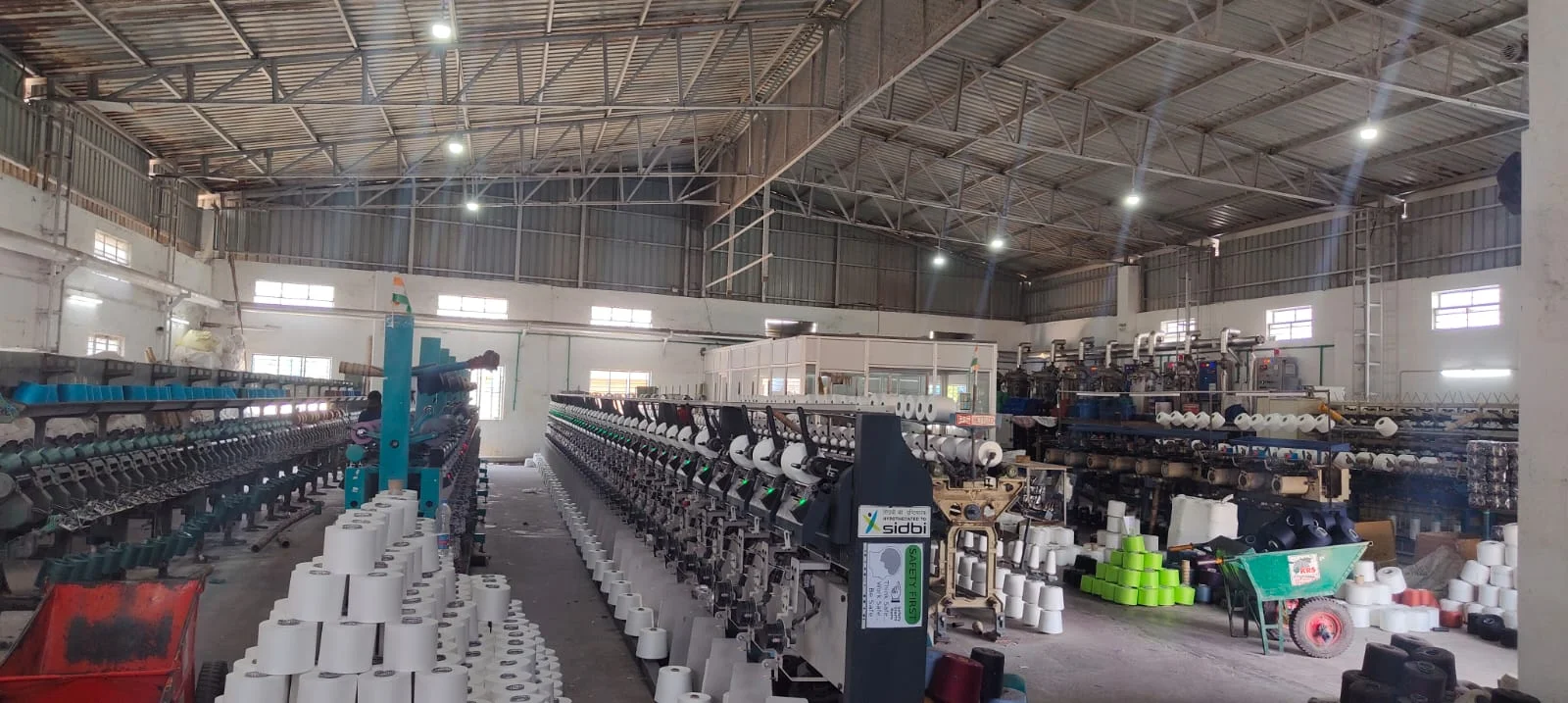
Yarn Dyeing
The yarn dyeing process is a meticulous sequence of chemical and mechanical steps designed to impart permanent, uniform color to fibers before they are woven or knitted into fabric. The journey begins with pretreatment, where raw yarn is scoured to remove natural oils, waxes, and impurities that might inhibit dye absorption. If a vibrant or light shade is required, the yarn may also undergo bleaching to create a neutral base.
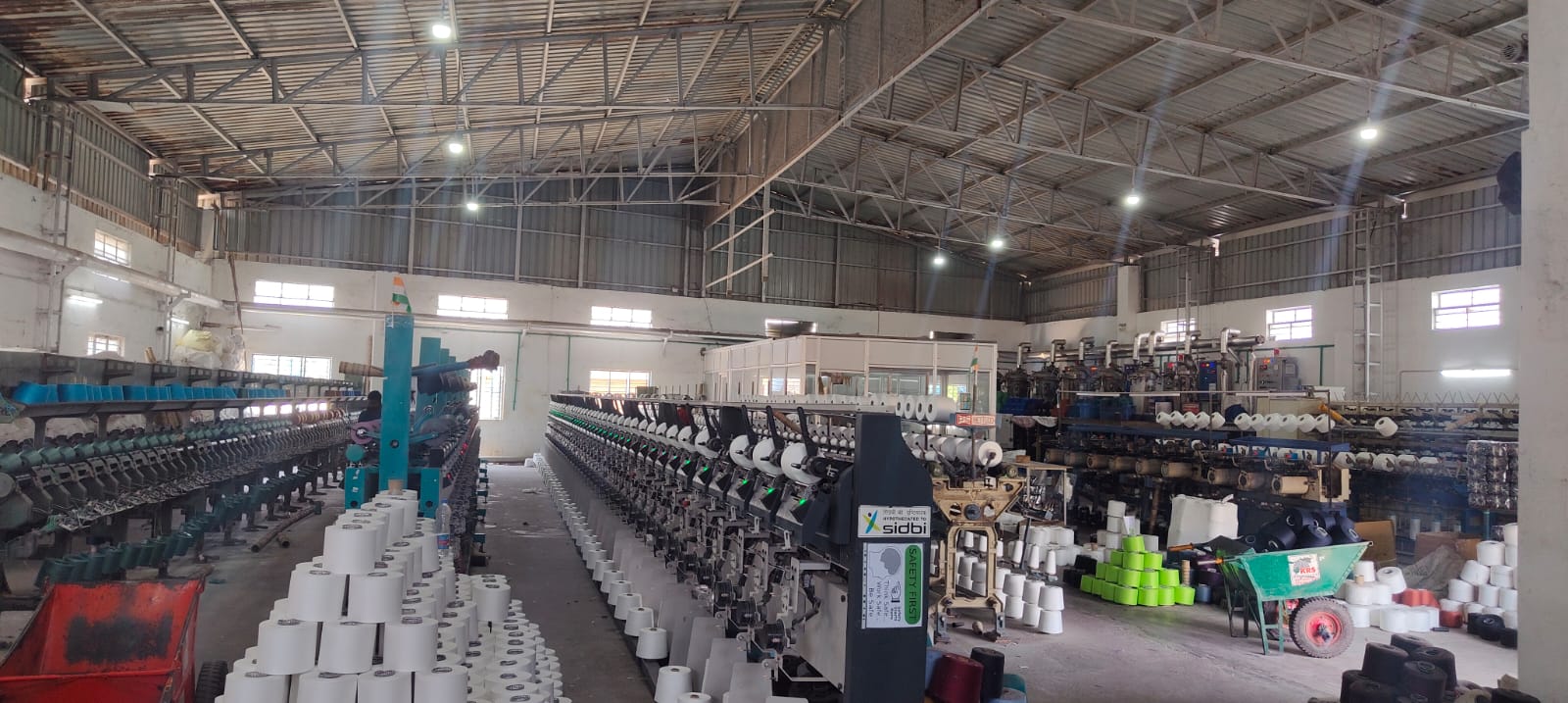
Once prepared, the yarn is loaded into specialized machinery. In package dyeing, yarn is wound onto perforated tubes and placed in a pressurized vessel where dye liquor is pumped through the spools. Alternatively, hank dyeing involves hanging loose coils of yarn on rails, allowing for a softer finish often preferred for luxury wools. The dyeing cycle itself involves heating a solution of dyestuffs and auxiliary chemicals—such as salts or leveling agents—to a specific temperature. During this phase, the dye molecules migrate from the liquor and bond with the fiber polymers.
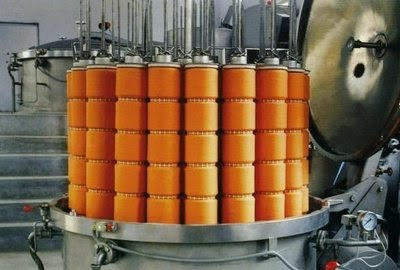
The yarn dyeing process is a critical stage in textile manufacturing, ensuring vibrant and uniform color application for various fibers. It begins with pre-treatment, where yarns are scoured to remove natural oils or impurities, followed by bleaching if a bright base is required. In the dyeing phase, the yarn—often wound onto perforated cones or stainless steel springs—is placed into a high-pressure, high-temperature (HTHP) vessel. A precisely formulated dye liquor is circulated through the packages to ensure deep penetration. Finally, the yarn undergoes fixation and washing to remove excess dye, followed by hydro-extraction and drying to stabilize the color and prepare the thread for final winding.
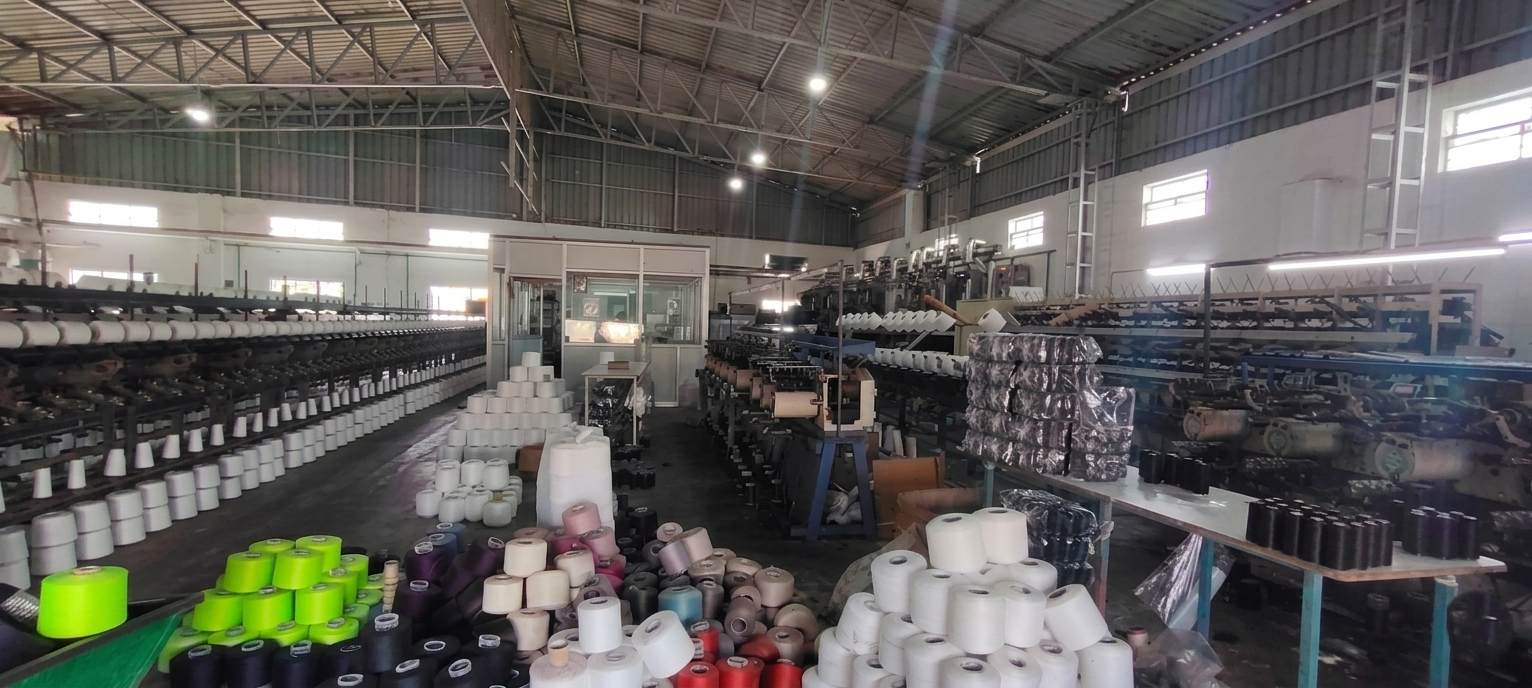
It is a critical transition stage in textile manufacturing, transferring yarn from spinning bobbins or hanks onto functional, high-capacity packages like cones or cheeses. This process prepares the thread for seamless use in high-speed industrial sewing or weaving. The operation involves several key steps:
Unwinding from the supply source,
Passing the yarn through tensioners to ensure consistency,
Electronic yarn clearers to remove imperfections like knots or slubs.
A traversing motion creates a criss-cross pattern, preventing tangles and ensuring stable package formation. For sewing threads, lubricants are often applied during this stage to reduce friction and needle heat. After the desired depth of shade is achieved, the process enters the fixation and washing stage. Any unfixed, "exhausted" dye is rinsed away to ensure colorfastness and prevent bleeding. Finally, the yarn is dried using high-speed centrifuges or radio-frequency dryers. This stage is critical for maintaining the yarn’s structural integrity and elasticity. By dyeing at the yarn stage rather than the finished cloth stage, manufacturers can create complex patterns like stripes, checks, and heathers with superior color depth and durability.